-
What is Granular Activated Carbon?
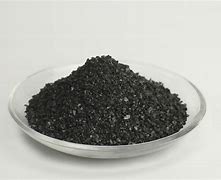
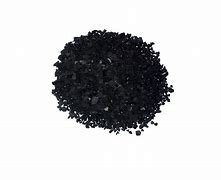
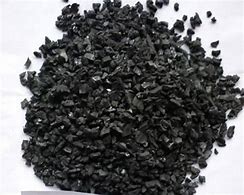
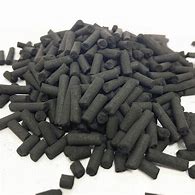
Of the various commonly-available forms of activated carbon, granular activated carbons is perhaps the most widely used and versatile.Read more -
Powdered Activated Carbon
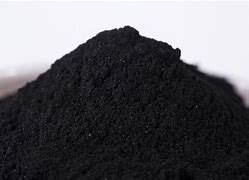
Powder activated carbon is a type of small size activated carbon used to remove pollutants through adsorption.Read more -
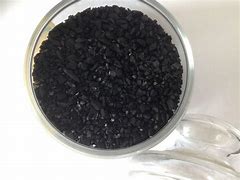
What is Activated Carbon
Activated carbon is a form of processed carbon that increases the surface area for adsorption. It comes in powdered form commonly called PAC. Powdered Activated Carbon(PAC) is a fine, black porous powder derived from charcoal or coconut husks and commonly used in environmental remediation processes.Read more -
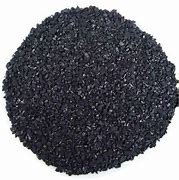
What is Granular Activated Carbon (GAC)?
Granular activated carbon (GAC) generally is an organic carbon filtration media — wood, coconut shells, coal or peat — used for water purification, typically applied in a fixed bed application.Read more -
Activated Carbon Food Grade
Activated charcoal is a form of non-graphite carbon that has been processed to enhance its microcrystalline internal porosity.Read more -
Chemical passivation
PAC added for mercury control presents different challenges for ash use in concrete. Activated carbon is much more adsorptive than unburned coal with a high affinity to adsorb AEAs that are used in concrete production. These characteristics are the result of activated carbon's complex pore structure (Fig. 13.7).Read more -
About our Powdered Activated Carbon
Calgon Carbon brings more than 70 years of experience in producing powdered activated carbons (PAC) specifically engineered to meet the demands of individual industrial applications. Today, Calgon Carbon is still leading the way, offering an exceptional range of powdered activated carbons that help make pure water and clean air for a better world.Read more -
Environmental aspects
The application of chemical coagulants and powdered activated carbon was investigated to reduce turbidity, dissolved organic carbon, total petroleum hydrocarbons, and poly(ethylene glycol)s in four hydraulic fracturing waste waters [112].Read more -
Emissions Control Strategies for Power Plants
Although existing APCD can capture some mercury, innovative control technologies will be needed to comply with the CAMR Phase II mercury emissions cap. To date, activated carbon injection (ACI) has shown the most promise as a near-term mercury control technology, although continuous long-term operation is required to determine the effect on plant operations.Read more
 Amharic
  English
  Afrikaans
  Albanian
  Arabic
  Armenian
  Azerbaijani