-
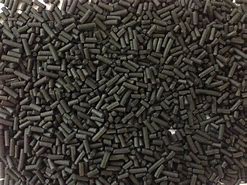
powdered activated carbon (PAC)
Depending on the size of the plant, PAC can be stocked in sacks, in silos or in big-bags and table 2 shows the various systems that can be used to produce a suspension often called a "slurry" containing 30 to 50 g · L–1 of PAC.Read more -
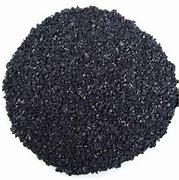
Study on regeneration of waste powder activated carbon through pyrolysis
The regeneration of WPAC through pyrolysis and its adsorption capacity of phosphorus were studied.Read more -
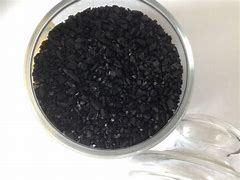
application of activated carbon
Activated carbon (also called activated charcoal, activated coal or active carbon) is a very useful adsorbent. Due to their high surface area, pore structure (micro, meso and macro), and high degree of surface reactivity, activated carbon can be used to purify, dechlorinate, deodorize and decolorize both liquid and vapor applications.Read more -
Powder Activated Carbon Selection and Dosing
The process of adsorption MIB and Geosmin onto PAC takes time (> 1 hour). Therefore, maximizing the contact time between PAC and water is critical. PAC should be added and well mixed prior to presedimentation basins. Chemical tracer tests should be conducted on presedimentation basins to assure there is no short circuiting within the basins, thus maximizing contact time between the PAC and water. Based upon suspended solids analysis, hydraulic retention time (HRT) in the presedimentation and flocculation basin “count” towards PAC contact time. PAC is removed within the first 25% of the length of the sedimentation basins.Read more -
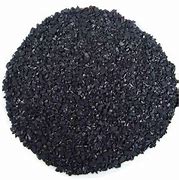
Powdered Activated Carbon
This video clip, taken from a REGENESIS’ R&D lab video, forms part of one of the early column studies that were undertaken to test PlumeStop’s ability to distribute in the subsurface. It shows that PlumeStop Colloidal Activated Carbon (CAC) flows easily through the pore spaces, coating the aquifer matrix in a thin layer of activated carbon.Read more -
General Information on Powdered Activated Carbon
Powdered Activated Carbon (PAC) has been used for a very long time as a treatment option due to its ease of use and economic advantages. PAC can be used either as dry or as a wet slurry, which is a mixture of carbon and water. A main disadvantage of powdered activated carbon is that after use it cannot be reactivated and is also sometimes difficult to dig out of water treatment reservoirs.Read more -
From Production to Applications
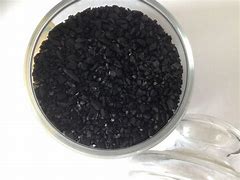
Activated Carbon is a term used to describe material (usually organic) that has been heated at temperatures above 600°F (315°C), or first impregnated with a strong acidic or base material and then heated at temperatures above 450°F (232°C).Read more -
Granulated Activated Carbon (GAC)
Chemviron is the world’s largest manufacturer of granular activated carbons that have purified air, water, and liquid chemicals for over 80 years. The first activated carbon products from bituminous coal were created by the company in the 1940s for use in military respirator applications and Chemviron has been a pioneer in developing advanced products and services for air and water purification ever since.Read more -
Buy powdered activated carbon with the best components
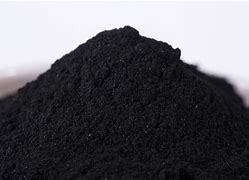
Powdered activated carbon is any carbon with a particle size of 0.177 mm or less. This product can be either mineral or plant based and, for activated charcoal, is mainly from birch, acacia or mimosa wood.Read more
 Arabic
  English
  Afrikaans
  Albanian
  Amharic
  Armenian
  Azerbaijani