Jul . 25, 2024 14:59 Back to list
China imposes restrictions on Australian coal imports, affecting trade dynamics and energy markets.
China Bans Australian Coal Implications and Insights
In recent years, the relationship between China and Australia has become increasingly complex, marked by diplomatic tensions and economic challenges. One of the most significant developments in this relationship has been China's decision to impose a ban on Australian coal imports. This move has far-reaching implications for both countries and the global coal market.
China Bans Australian Coal Implications and Insights
The ban on Australian coal imports, initially imposed in late 2020, has profoundly impacted Australia's economy, particularly its mining sector. Australia has historically been one of the largest exporters of coal in the world, with China being its primary market. In 2019, Australia exported approximately 38% of its coal to China, which made up a significant portion of its overall export revenues. The abrupt halt in coal exports to China has posed challenges for many Australian coal companies, leading to a decline in coal prices and financial losses for exporters that had relied heavily on the Chinese market.
china banned australian coal
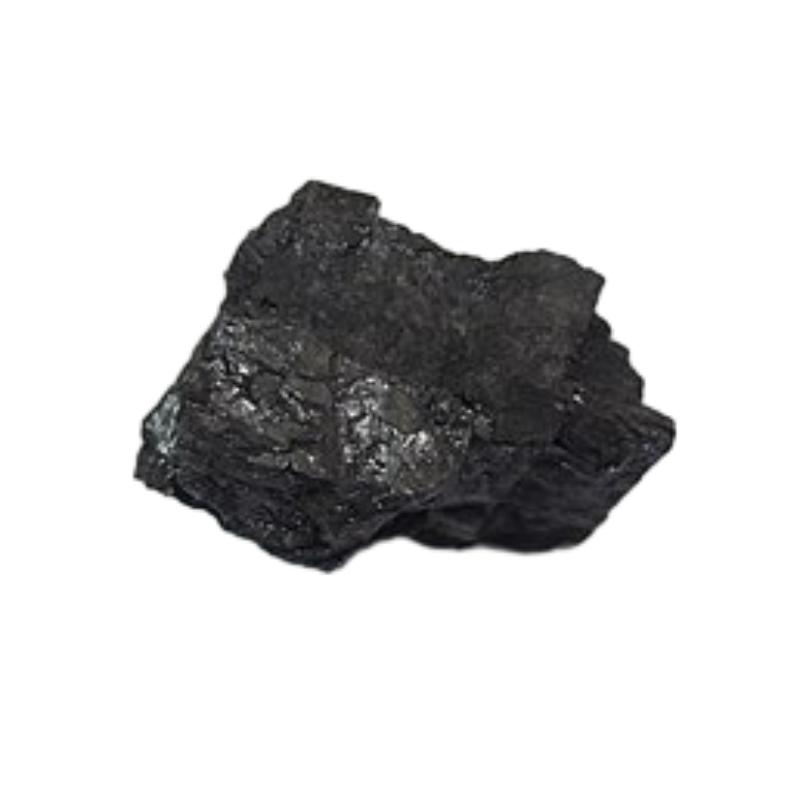
On the Chinese side, the ban is viewed as an opportunity to reduce dependence on Australian coal and diversify its energy sources. While Australian thermal coal is favored for its high quality, China has increased imports from other countries, such as Indonesia, Russia, and even the United States. These shifts highlight China's efforts to balance its energy needs with geopolitical considerations, as the need for energy security becomes increasingly important amidst rising domestic demand and environmental concerns.
Moreover, the coal ban has broader implications for the global coal market. With China being the world's largest consumer of coal, disruptions in trade patterns affect global prices and supply chains. Other coal-exporting nations have seen a surge in demand as Chinese companies seek alternative sources to meet their energy requirements. This shift has led to an increase in coal prices from other suppliers, showcasing the interlinked nature of global commodity markets.
The ban also underscores the urgency for China to transition towards cleaner energy sources amidst growing concerns about air pollution and climate change. As the world's largest emitter of carbon dioxide, China faces immense pressure to reduce its reliance on coal-fired power plants. This pressure, coupled with China's commitment to achieving carbon neutrality by 2060, may lead to further changes in its energy sourcing strategies.
In conclusion, China's ban on Australian coal imports is not merely an economic decision; it is emblematic of the intertwined nature of diplomacy, trade, and geopolitical strategy. The implications of this ban extend beyond the two nations involved, influencing global markets and raising critical questions about energy security and climate goals. As both countries navigate this complex landscape, the future of their economic and political relationships remains uncertain, shaped by the evolving dynamics of international trade and environmental necessity. The global community watches closely, acknowledging that such decisions resonate far beyond national borders, impacting energy policies and market practices worldwide.
 Arabic
  English
  Afrikaans
  Albanian
  Amharic
  Armenian
  Azerbaijani