Jul . 19, 2024 09:19 Back to list
Contrast between graphite and coal understanding the distinctions and uses.
Graphite and coal are both carbon-based materials, but they have distinct differences in terms of their properties and uses.
Graphite is a crystalline form of carbon that is known for its high electrical conductivity and lubricating properties. It is a good conductor of electricity due to its structure, which allows electrons to move easily through the material. Graphite is also a good lubricant because of its slippery nature, which is caused by the weak forces between its layers. This makes graphite useful in applications where low friction is needed, such as in pencils and lubricants.
On the other hand, coal is a sedimentary rock that is formed from the remains of plants and animals that have been buried and compressed over millions of years. It is primarily composed of carbon, along with varying amounts of other elements such as hydrogen, sulfur, and oxygen. Coal is a non-renewable resource that is used primarily as a fuel for producing electricity and heat. It is also used in the production of steel and other industrial processes.
One of the key differences between graphite and coal is their hardness. Graphite is a very soft material, with a Mohs hardness of 1-2. This means that it can be easily scratched with a fingernail. In contrast, coal is a much harder material, with a Mohs hardness of 1-3.5. This makes coal resistant to scratching and abrasion, making it suitable for use as a fuel and in industrial applications.
difference between graphite and coal
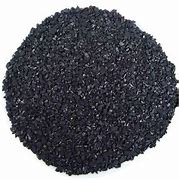
Another difference between graphite and coal is their color. Graphite is typically black or dark gray in color, while coal can range from black to brown to even shiny and reflective in some forms. This difference in color is due to the varying impurities present in coal, which can affect its appearance.
Graphite and coal also differ in their purity. Graphite is a highly pure form of carbon, with a carbon content of over 95%. This purity makes graphite ideal for use in high-tech applications such as in the manufacturing of batteries and electronic devices. Coal, on the other hand, can vary in purity depending on the type of coal and the presence of impurities. For example, anthracite coal is a high-grade coal with a carbon content of over 90%, while lignite coal has a lower carbon content of around 25-35%.
In conclusion, graphite and coal are both carbon-based materials with distinct differences in their properties and uses. Graphite is known for its high electrical conductivity and lubricating properties, making it useful in a variety of applications. Coal, on the other hand, is primarily used as a fuel for producing electricity and heat, as well as in industrial processes. Understanding the differences between graphite and coal can help us appreciate the unique characteristics of these two important materials.
 Armenian
  English
  Afrikaans
  Albanian
  Amharic
  Arabic
  Azerbaijani