Jul . 27, 2024 01:04 Back to list
Exploring Efficient Coal Options for Central Boiler Systems in Modern Heating Solutions
The Role of Central Boiler Systems in Coal Utilization
Central boiler systems have long been a cornerstone of heating and energy production in industrial and commercial settings. These systems utilize various fuels, with coal remaining a significant source of energy due to its abundance and cost-effectiveness. As nations seek to balance energy needs with environmental concerns, understanding the intricacies of central boiler systems that use coal is crucial.
Overview of Central Boiler Systems
Central boiler systems are designed to provide steam or hot water for heating and power generation across extensive facilities. They operate by burning fuel, which generates heat to convert water into steam or to heat water directly. This heated water or steam is then distributed through a network of pipes to be used for space heating, industrial processes, or to drive turbines for electricity generation.
Coal has historically been a preferred fuel for central boiler systems due to its high energy density and availability. In many regions, coal is still a primary energy source, particularly in countries with rich coal reserves. The combustion process in these systems involves burning pulverized coal in a furnace, where air is supplied to facilitate the reaction, releasing heat and forming by-products that must be managed.
Environmental Considerations
While coal-fired central boilers are effective for energy production, they pose significant environmental challenges. The combustion of coal releases a range of pollutants, including carbon dioxide (CO2), sulfur dioxide (SO2), nitrogen oxides (NOx), and particulate matter. These emissions contribute to air pollution, climate change, and respiratory issues in humans.
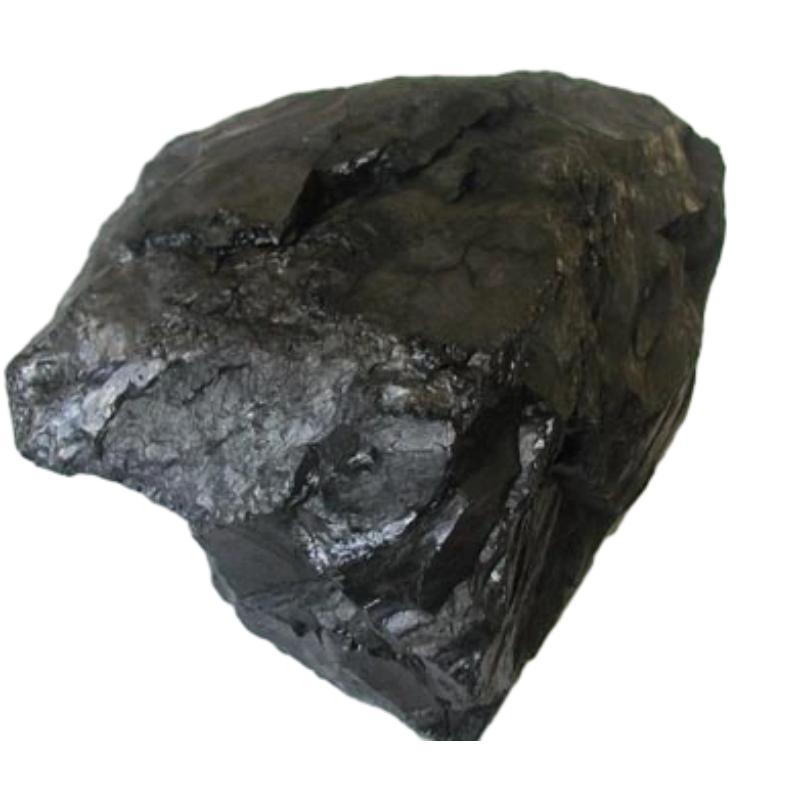
central boiler coal
In response to these challenges, the industry has seen advancements in clean coal technologies, aimed at minimizing the environmental impact of coal combustion. Techniques such as flue gas desulfurization, selective catalytic reduction, and carbon capture and storage (CCS) are being implemented to reduce emissions from central boiler systems. These technologies help mitigate the negative effects associated with coal utilization, making it more sustainable.
The Future of Coal in Central Boiler Systems
The future of coal in central boiler systems remains a contentious topic. Many governments are setting ambitious targets for reducing greenhouse gas emissions, which often include transitions away from coal. However, complete divestment from coal may not be feasible in the short term for several regions that rely heavily on it for their energy needs.
Transitioning to cleaner alternatives, such as natural gas, biomass, or renewable energy sources, presents challenges. The infrastructure required for these alternatives can be considerable, and their availability may not be on par with that of coal in certain locations. Therefore, a balanced approach is essential.
Many experts advocate for a transitional strategy that embraces technological innovation while gradually decreasing reliance on coal. Investments in research and development can lead to more efficient, cleaner coal combustion methods and alternative energy sources. Additionally, integrating coal with renewable technologies, such as co-firing biomass with coal, could prove to be a viable pathway toward reducing emissions while utilizing existing infrastructure.
Conclusion
Central boiler systems that utilize coal have played an essential role in energy production for decades. As the world grapples with the pressing challenges of climate change and air quality, it is imperative to reconsider and enhance the role of coal in the energy landscape. By investing in cleaner technologies and alternative fuels, stakeholders can work toward a more sustainable energy future while still harnessing the existing benefits of coal-fired central boiler systems.
 Armenian
  English
  Afrikaans
  Albanian
  Amharic
  Arabic
  Azerbaijani