Introduction
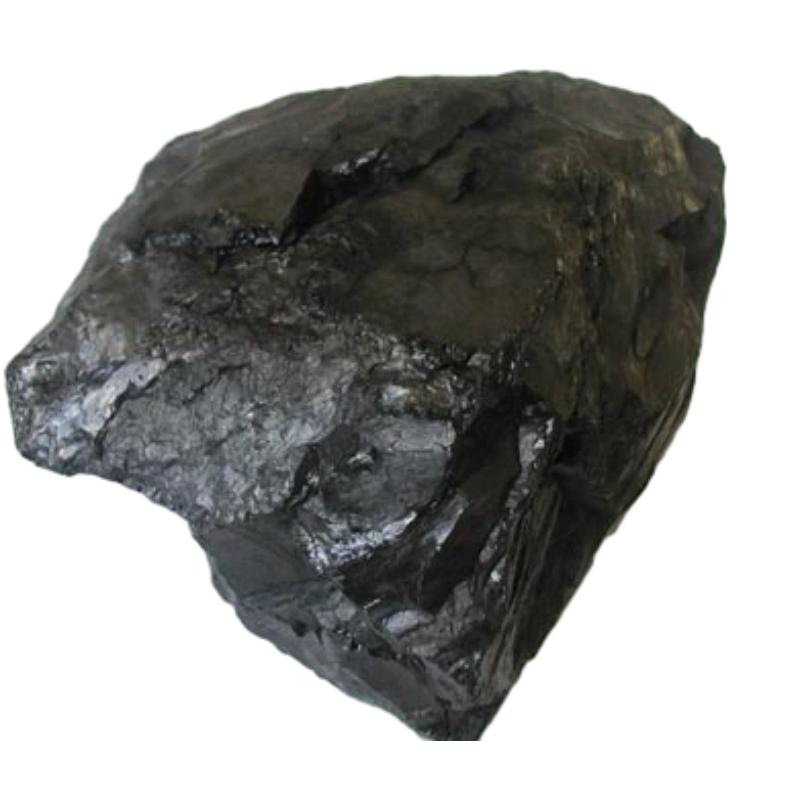
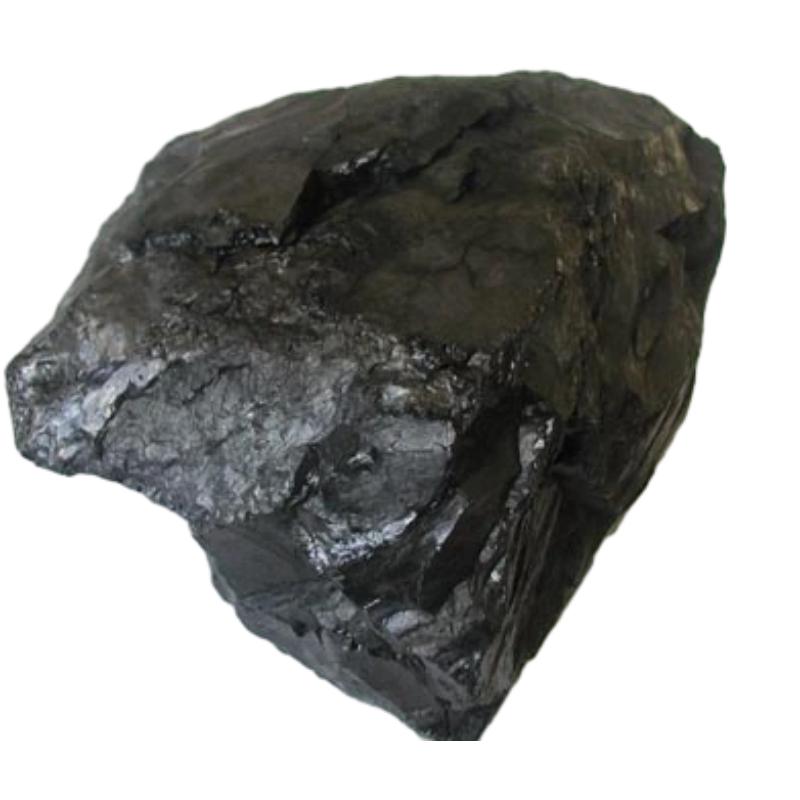
Carbon, hydrogen and oxygen are the main organic matter in coal, accounting for more than 95%; The deeper the coalification, the higher the carbon content and the lower the hydrogen and oxygen content. Carbon and hydrogen are the elements that generate heat during coal combustion, and oxygen is the combustion-supporting element. When coal is burned, nitrogen does not generate heat, but is transformed into nitrogen oxides and ammonia at high temperature, and is precipitated in a free state. Sulfur, phosphorus, fluorine, chlorine and arsenic are harmful components in coal, of which sulfur is the most important. When coal is burned, most of the sulfur is oxidized into sulfur dioxide (SO2), which is discharged with flue gas, polluting the atmosphere, endangering the growth of animals and plants and human health, and corroding metal equipment; When coal with high sulfur content is used in metallurgical coking, it also affects the quality of coke and steel. Therefore, the content of "sulfur" is one of the important indexes to evaluate coal quality.
The combustible gas produced by the decomposition of organic matter in coal under certain temperature and conditions is called "volatile", which is a mixed gas composed of various hydrocarbons, hydrogen, carbon monoxide and other compounds. Volatile is also the main coal quality index, which plays an important reference role in determining the processing and utilization ways and technological conditions of coal. Coal with low coalification degree has more volatile matter. If the combustion conditions are not appropriate, the coal with high volatile content will easily produce unburned carbon particles when burning, commonly known as "black smoke"; And produce more pollutants such as carbon monoxide, polycyclic aromatic hydrocarbons and aldehydes, and the thermal efficiency is reduced. Therefore, appropriate combustion conditions and equipment should be selected according to the volatile matter of coal.
There are few inorganic substances in coal, mainly water and minerals, and their existence reduces the quality and utilization value of coal. Minerals are the main impurities in coal, such as sulfide, sulfate and carbonate, most of which are harmful components.
"Moisture" has a great influence on the processing and utilization of coal. When water changes into steam during combustion, it absorbs heat, thus reducing the calorific value of coal. Moisture in coal can be divided into external moisture and internal moisture, and internal moisture is generally used as an index to evaluate coal quality. The lower the degree of coalification, the greater the internal surface area of coal and the higher the moisture content.
"Ash" is the solid residue left after coal is completely burned, and it is an important coal quality index. Ash mainly comes from incombustible minerals in coal. When the mineral is incinerated, it should absorb heat, and a large amount of slag will take away heat, so the higher the ash, the lower the thermal efficiency of coal combustion; The more ash, the more ash produced by coal combustion, and the more fly ash discharged. Generally, the ash content of high-quality coal and clean coal is relatively low [1].
Coal is distributed in all continents and ocean islands, but the distribution of coal in the world is very uneven, and the reserves of coal in different countries are also very different. China, the United States, Russia and Germany are rich in coal reserves, and they are also major coal-producing countries in the world, among which China is the country with the highest coal output in the world. China's coal resources are in the forefront of the world, second only to the United States, Russian and Australian [9].
History
Although the important position of coal has been replaced by oil, for a long period of time, it will inevitably decline due to the gradual depletion of oil. Due to the huge reserves of coal and the rapid development of science and technology, new technologies such as coal gasification have become mature and widely used.
According to the different original materials and conditions of coal formation, coal in nature can be divided into three categories, namely humus coal, residual humus coal and sapropelic coal.
China is the first country to use coal in the world. Coal handicrafts were found in Xinle ancient cultural site in Liaoning Province, and coal cakes were also found in gongyi city, Henan Province.
In Shan Hai Jing, coal is called stone nie, while in Wei and Jin dynasties, coal is called graphite or carboniferous. The name coal was first used in Compendium of Materia Medica by Li Shizhen in Ming Dynasty.
Greece and ancient Rome were also countries that used coal earlier. The Greek scholar Theophrastos wrote The History of Stone in about 300 BC, which recorded the nature and origin of coal. Ancient Rome began to use coal for heating about 2000 years ago.
Form
Coal is an extremely thick layer of black humus accumulated on the ground by the branches and roots of plants for millions of years. Because of the change of the earth's crust, it is continuously buried underground and isolated from the air for a long time, and after a series of complicated physical and chemical changes under high temperature and high pressure, it forms a black combustible sedimentary rock, which is the formation process of coal.
The thickness of a coal seam in a coal mine is related to the speed of crustal decline and the accumulation of plant remains in this area. The earth's crust is falling fast, and the plant remains are piled thick, so the coal seam in this coal mine is thick. On the contrary, the earth's crust is falling slowly, and the plant remains are piled thin, so the coal seam in this coal mine is thin. Because of the tectonic movement of the earth's crust, the original horizontal coal seams are folded and fractured. Some coal seams are buried deeper underground, others are pushed out to the surface, or even exposed to the ground, which is easy to be found by people. There are also some coal seams that are relatively thin and small in area, so there is no mining value, and there is no updated statement about the formation of coal.
Is coal formed in this way? Whether some expositions should be further studied and discussed. A large coal mine has a thick coal seam and excellent coal quality, but its area is not very large in general. If it is a natural accumulation of leaves and roots of plants for millions of years, its area should be very large. Because forests and grasslands were everywhere on the earth in ancient times, there should be traces of coal storage everywhere underground; The coal seam is not necessarily very thick, because the leaves and roots of plants rot into humus, which will be absorbed by plants. If it is repeated, it will not be so concentrated when it is finally buried underground, and the boundary between soil layer and coal seam will not be so clear.
However, there is no denying the fact and basis that coal is really formed by the systematic evolution of plant debris, which is an irrefutable truth. As long as you carefully observe the coal block, you can see traces of leaves and roots of plants; If you slice coal and observe it under a microscope, you can find very clear plant tissues and structures, and sometimes things like trunks are preserved in coal seams, and some coal seams are still wrapped with complete insect fossils.
Under the normal temperature and pressure of the surface, the plant remains accumulated in stagnant water are transformed into peat or sapropelic by peat or sapropelic; After being buried, peat or sapropelic mud sinks to the deep underground due to the decline of the basin basement and is transformed into lignite through diagenesis; When the temperature and pressure gradually increase, it is transformed into bituminous coal to anthracite by metamorphism. Peatization refers to the process that the remains of higher plants accumulate in swamps and are transformed into peat through biochemical changes. Sapropargization refers to the process that the remains of lower organisms are transformed into sapropelic mud through biochemical changes in swamps. Sapropargite is a kind of muddy substance rich in water and asphaltene. Glacier process may contribute to the collection and preservation of coal-forming plant remains [2].
The age of coal formation
In the whole geological age, there are three major coal-forming periods in the world:
In Paleozoic Carboniferous and Permian, the coal-forming plants were mainly spore plants. The main coal types are bituminous coal and anthracite.
In Jurassic and Cretaceous of Mesozoic, the coal-forming plants were mainly gymnosperms. The main coal types are lignite and bituminous coal.
In the tertiary of Cenozoic, the coal-forming plants were mainly angiosperms. The main coal is lignite, followed by peat and some young bituminous coal.
Classification
Coal is the most widely distributed fossil energy resource in the world, which is mainly divided into four categories: bituminous coal and anthracite, sub-bituminous coal and lignite. 60% of the world's recoverable coal reserves are concentrated in the United States (25%), Soviet republics (23%) and China (12%). In addition, Australia, India, Germany and South Africa account for 29% of the world's total coal production, and the proven coal reserves are more than 63 times that of oil reserves. The countries with rich coal reserves in the world are also coal.
 Amharic
  English
  Afrikaans
  Albanian
  Arabic
  Armenian
  Azerbaijani