-
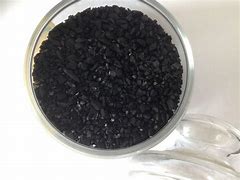
Treatment of Oily Wastewater
6.4.3.1.2 Activated Sludge Treatment With Powdered Activated Carbon Activated carbon (both powdered activated carbon (PAC) and granular activated carbon (GAC)) has been applied for a long time in water and wastewater treatment due to its large surface area for adsorption (Tri, 2002; Jafarinejad, 2015e).Read more -
Specialized and Advanced Water Treatment Processes
PAC is costly and is discarded after one use whereas GAC, although about two to three times the cost of PAC, can be reactivated after exhaustion and reused. Since the introduction of more rigorous standards for drinking water quality the use of GAC has become the predominant process for the removal of organic matter including micropollutants.Read more -
Chemical Storage, Dosing and Control
PAC is normally delivered to site in bulk or in 500–1000 kg bags (FIBCs), to minimize manual handling on site, although it is also available in 25 kg bags. When delivered in bulk the chemical is blown across to vertical storage silos.Read more -
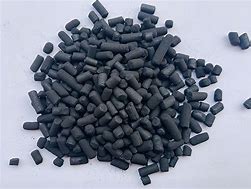
Assuring Purity of Drinking Water
Activated carbon can be very effective for treatment of a broad range of organic contaminants including solvents, pesticides, herbicides, DBPs, and other classes of organic compounds.Read more -
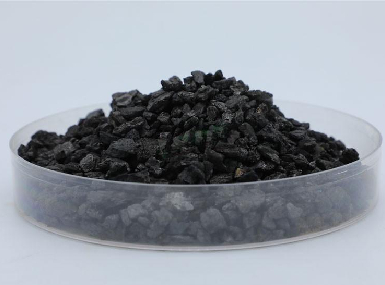
Carbon-based adsorbents for remediation of noxious pollutants from water and wastewater
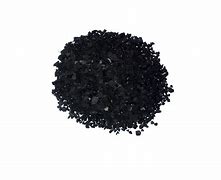
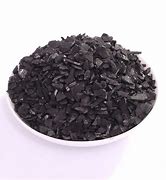
Activated carbon has a random and imperfect structure with high porosity and visible cracks and crevices. Synthesis of activated carbon involves pretreatment of carbon source material, carbonization (calcination under inert atmosphere), and activation.47 Medhat et al.Read more -
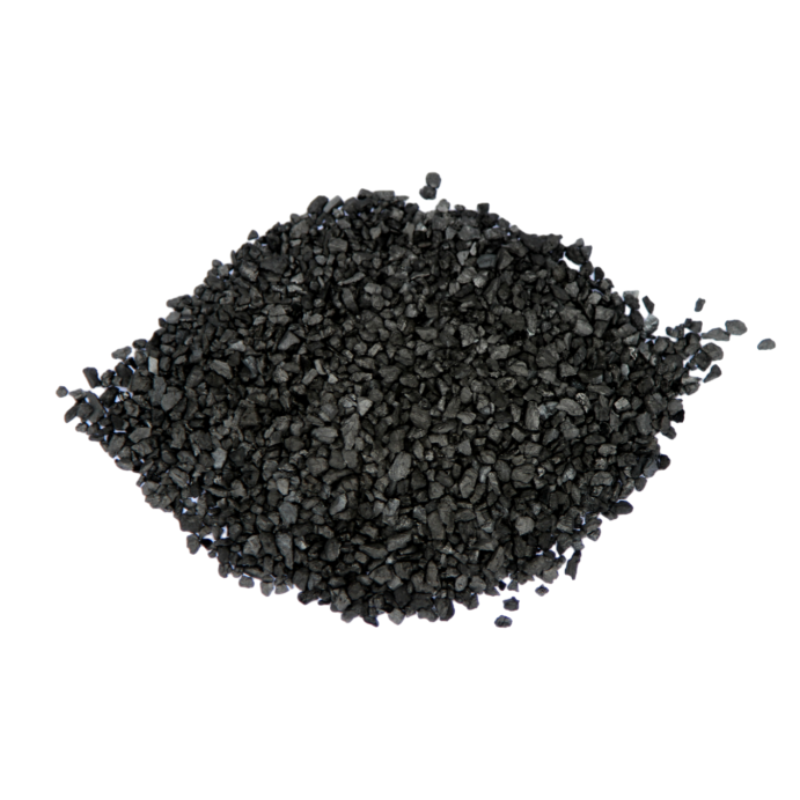
Powdered Activated Carbon
Powdered Activated Carbon (PAC) is a high performance absorbent engineered to remove harmful contaminants in the air, gas, and liquid phases. How to choose the right activated carbon powder? Learn more now!Read more
 English
  Afrikaans
  Albanian
  Amharic
  Arabic
  Armenian
  Azerbaijani