Apr . 02, 2024 11:08 Back to list

What is activated carbon and what is it used for

1. Activated carbon.

Activated carbon or activated charcoal is a porous element that traps compounds, primarily organic, present in a gas or liquid. It does this so effectively that it is the most widely used purifying agent by humans.

On the other hand, organic compounds are derived from the metabolism of living beings, and their basic structure consists of chains of carbon and hydrogen atoms. These include all derivatives from the plant and animal world, including petroleum and the compounds obtained from it.

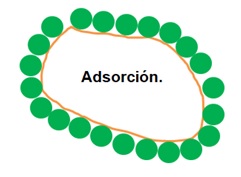
The property of a solid to adhere a flowing molecule to its walls is called “adsorption”. The solid is called “adsorbent” and the molecule, “adsorbate”.

After filtration, which aims to retain solids in a fluid, there is no single purification process with more applications than activated carbon.

Keep reading this complete guide to know how activated carbon works, its main applications, and if you read to the end you will find a complete table with references to articles specific to each characteristic of activated carbon. The topics we will address are as follows:

  1. What is activated carbon?
  2. What is activated carbon used for?
  3. Where can activated carbon be obtained?
  4. How does activated carbon work?
  5. From which raw materials can activated carbon be obtained?
  6. Coconut husk charcoal
  7. Mineral coals.
  8. What is the adsorption capacity of activated carbon?
  9. How does activated carbon work in dechlorination?
  10. Which type of activated carbon is the most suitable for water purification?
  11. Which type of activated carbon is the most suitable for purifying air and gases?

2. What is activated carbon used for?

  • Water purification.

(carbon retains pesticides, greases, oils, detergents, disinfection by-products, toxins, color-producing compounds, compounds originating from the decomposition of algae and plants or from animal metabolism…).

  • Deodorization and air purification.

For example: in cartridge respirators, air recirculation systems in public spaces, drain vents and water treatment plants, paint application booths, spaces that store or apply organic solvents.

  • Treatment of people with acute intoxication.

Activated charcoal is considered the “most universal antidote”, and is applied in emergency rooms and hospitals.

  • Sugar refining.

The charcoal retains the proteins that give color to the cane juice; the fundamental objective of this process is to prevent the sugar from fermenting and spoiling.

  • Discoloration of vegetable oils.

(such as coconut). Corn glucose and other liquids intended for food.

  • Discoloration and deodorization of alcoholic beverages.

(such as grape wines and distillates of any origin)

Gold that cannot be separated from minerals by flotation processes is dissolved in sodium cyanide and adsorbed on activated carbon.


3. Where can activated carbon be obtained? Where to buy?

You can buy it in several places in Mexico. To purchase pellet, granular and powdered activated carbon for cosmetic use you can contact an expert here: ventas@carbotecnia.com.mx

We also handle activated charcoal for poisoning and indigestion.

How does activated carbon work and what are its benefits?

Activated carbon is an adsorption medium, its function is to adsorb organic molecules in its micro pores. It is activated by thermal or chemical processes to enhance its adsorption capacity (to make pores form).

Image explaining how activated carbon works:
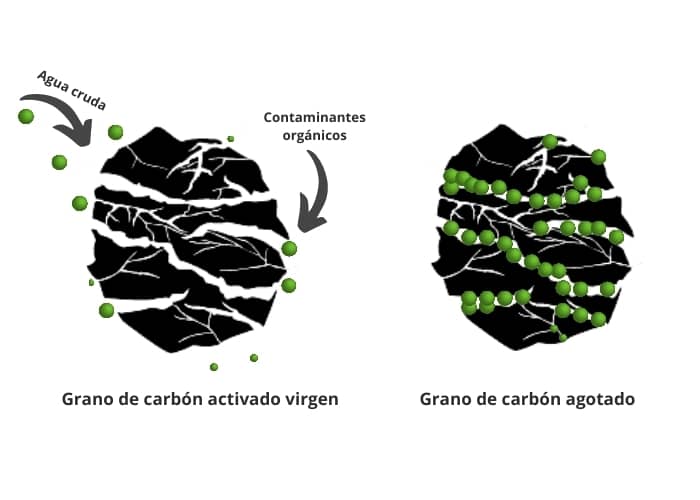
How activated carbon works, how activated carbon works, what is activated carbon and what is it used for?


On the other hand, activated carbon is an adsorbent, not an absorbent, as shown in the second image:
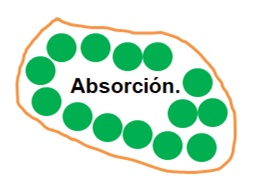
Activated carbon how it works, adsorbent carbon


Activated carbon has the ability to adsorb. So, some people put charcoal in the refrigerator to get rid of bad odors. The same happens when you put charcoal in a bucket of water. Eliminates color, taste and odor. Or, in the countryside, people burn and eat tortillas to relieve digestive problems (mild infections, indigestion, bloating, etc.).

Activated carbon involves making it porous to increase its absorbency. One gram of charcoal has a surface area of about 50 square meters. With activation, it reaches 600 to 800 m2, i.e., a 12 to 16-fold increase.

Carbon atom.

The carbon atoms that make up the solid we call “carbon” are held together by covalent bonds. Each atom shares an electron with four other carbon atoms (remember that in an ionic bond, electronegative atoms steal one or more electrons from each other).

Atoms that are not on the surface distribute their four bonds in all directions. But the outer atoms, though bound to four other atoms, are forced to do so in the smaller space, and there are still power imbalances within them. This imbalance is what causes them to trap a liquid molecule surrounding the carbon.

London Force.

The force with which a carbon atom is trapped on the other surface is known as the “London force”, and is one of the seven types of “van der Waals forces”. It is a physical chemical bond, enough to contain the adsorbent material, but not enough to be considered an irreversible chemical bond that forms a new molecular structure. Therefore, adsorption is reversible and the activated carbon can be recycled for reuse.

As we said, the molecules absorbed by carbon tend to be covalent; it changes from ionic, because the latter will try to steal or donate electrons to the carbon atom. The bonds between carbon and hydrogen atoms are covalent, so carbon is a good adsorbent for organic molecules.

Not all organic molecules tend to be covalent. They often contain oxygen, sulfur and other highly electronegative atoms, giving an ionic tendency to the part of the molecule containing them. On the other hand, not all inorganic molecules are ionic; there are also those that tend to be covalent. Such is the case of gold cyanide, which makes activated carbon a fundamental ingredient in the extraction of this precious metal.

Share

Latest news

If you are interested in our products, you can choose to leave your information here, and we will be in touch with you shortly.


Chatting

en_USEnglish